Sodexo Live! scores big at Stadium Events & Hospitality Awards
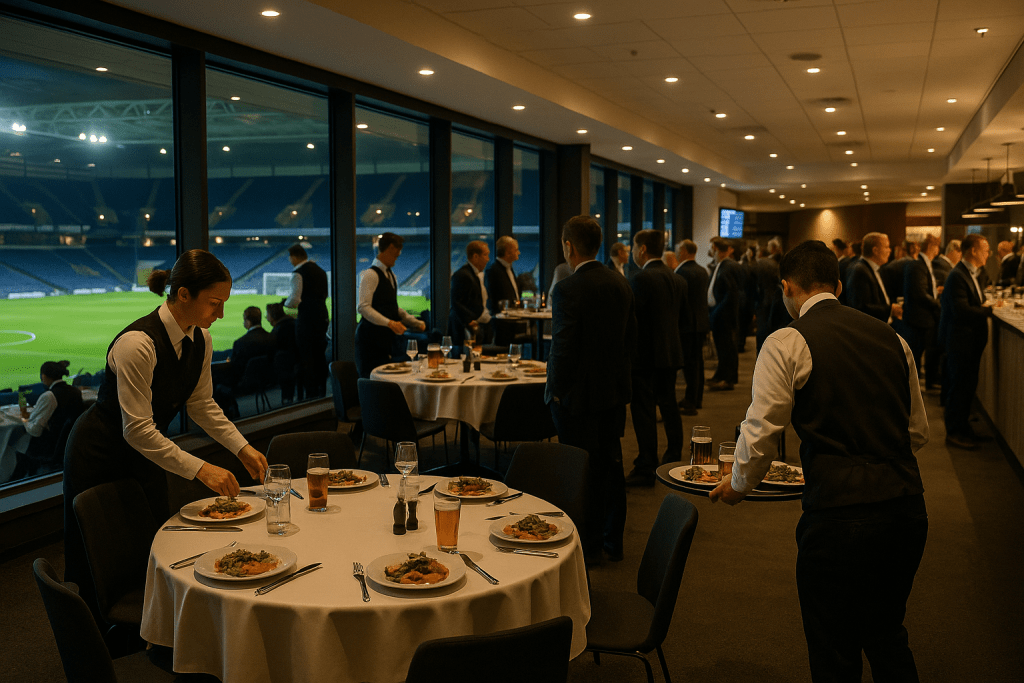
Sodexo Live! has marked a strong showing at the Stadium Events & Hospitality Awards 2026, with its teams taking home 10 awards across UK sports venues. The hospitality and culinary specialist, which operates at a broad range of football, rugby and cricket grounds, accounted for just over a fifth of all accolades handed out on the night.
The recognition spans multiple clubs and stadiums within the company’s UK portfolio, with standout results from operations at Newcastle United FC, Fulham FC, Headingley Stadium and other major venues. The wins underscore the growing emphasis on elevated hospitality and matchday experiences within the sports and stadia sector.
Background and industry context
The Stadium Events & Hospitality Awards highlight best practice and innovation in the delivery of food, beverage and event services across UK sports grounds. Categories typically encompass matchday hospitality, non-matchday events, retail catering, and overall team performance, reflecting the increasingly multifaceted role of stadium venues.
Over the past decade, stadiums have evolved from primarily sporting arenas into year-round destinations, hosting conferences, exhibitions, concerts and corporate events alongside fixtures. This shift has raised expectations around service quality, digital integration, and the overall guest journey, with hospitality partners under pressure to deliver consistent standards across both business and fan-facing operations.
Within this context, awards schemes focused on stadium and event hospitality have become a reference point for benchmarking performance, with clubs, venue operators and service providers using them to demonstrate capability to rights holders, sponsors and event organisers.
Key developments from the 2026 awards
At the 2026 edition of the awards, Sodexo Live! teams working across its UK stadia collectively secured 10 trophies, representing 21% of the total awards presented. The achievements cut across multiple sporting codes, with football, rugby and cricket venues all represented.
Among the best-performing sites were Premier League and English Football League clubs, including Newcastle United FC and Fulham FC, alongside Headingley Stadium, a key venue for both cricket and rugby. These locations are part of a broader Sodexo Live! portfolio that encompasses large-capacity arenas and regional grounds serving diverse fan bases and corporate audiences.
While specific category breakdowns were not detailed, the awards generally recognise excellence in key areas such as:
- Matchday hospitality delivery and premium fan experiences
- Event catering for conferences, banquets and non-matchday bookings
- Operational teamwork and customer service standards
- Innovation in food and beverage offerings
- Commercial performance and use of venue spaces
Sodexo Live!’s strong showing across different types of venues suggests that its operational frameworks and service models can be adapted to varying capacities, audience profiles and event formats, from high-demand league fixtures to business events and seasonal hospitality.
Industry impact and signals for the stadium sector
The concentration of awards within a single service provider’s portfolio has broader implications for the stadium and events market. It highlights the role of integrated hospitality partners in helping sports organisations meet rising expectations around fan experience and non-matchday revenue generation.
Sports clubs and stadium owners increasingly view hospitality as a strategic asset rather than a support function. Award recognition for third-party operators can influence procurement decisions and long-term partnerships, particularly where clubs are seeking to reposition their venues as multi-use event destinations.
For the wider industry, the 2026 results reinforce several ongoing trends:
- Professionalisation of matchday hospitality: Clubs are competing on service quality, not just on-pitch performance, pushing partners to refine menus, service design and guest flow.
- Blurring of sport and business events: Stadiums are increasingly used as conference and exhibition venues, requiring hospitality teams to operate with the standards expected in traditional conference centres and hotels.
- Focus on repeatable standards across portfolios: Multi-venue operators are under pressure to deliver consistent experiences while tailoring offers to local audiences and club identities.
Recognition at a national awards programme can also support clubs and venues in marketing their facilities for corporate events and hospitality sales, particularly at a time when organisers are seeking distinctive spaces that can support both in-person and hybrid event formats.
Why this matters for event professionals and technology providers
For event organisers, the performance of hospitality partners at stadium-based awards is a useful signal when assessing venues for conferences, exhibitions, incentive programmes or fan-focused activations. A strong track record suggests that the venue can manage complex guest journeys, high-volume catering and premium client expectations under time pressure.
From an event technology perspective, high-performing hospitality operations are typically underpinned by robust systems for reservations, point of sale, crowd flow, workforce management and data capture. While the awards focus on service and experience, they indirectly point to the growing importance of integrated digital platforms in stadium operations.
Technology providers working with stadiums and sports clubs should note:
- Hospitality and F&B services are key touchpoints for collecting attendee preferences and behaviour data, which can inform both sporting and business event strategies.
- Tools that streamline pre-booking of hospitality packages, seat upgrades, and VIP experiences are increasingly central to commercial growth.
- Real-time operational dashboards and analytics can help stadium partners maintain the standards that award programmes recognise, particularly during peak matchday and event periods.
As stadiums continue to evolve into multi-purpose venues, event planners and suppliers can expect closer collaboration with catering and hospitality teams on everything from hybrid VIP experiences to sponsor activations and bespoke hospitality suites designed for corporate meetings on non-matchdays.
Conclusion
Sodexo Live!’s collection of 10 awards at the Stadium Events & Hospitality Awards 2026 underscores the company’s influence across UK sports venues and highlights the strategic importance of hospitality provision in the modern stadium environment.
For rights holders, venue operators and event professionals, the results reinforce the message that hospitality performance is now central to venue reputation, fan loyalty and non-ticketing revenue. As competition intensifies, technology-enabled hospitality operations, capable of delivering consistently high standards at scale, are likely to play an increasingly critical role in how stadiums position themselves within the wider events ecosystem.