


Background and context
Canadian destinations are investing in new infrastructure and programming as they compete for visitors, meetings, and events. Recent updates from Banff, Ottawa, and Wasaga Beach illustrate how tourism and municipal stakeholders are rethinking visitor centres, outdoor festivals, and waterfront management.
These moves come as event organizers continue to look for locations that can handle increased foot traffic, offer memorable experiences, and support evolving production requirements. Public-facing projects, such as redesigned visitor centres and waterfront protection plans, often shape how easily events can be staged and how attractive a destination appears to planners.
Key announcement
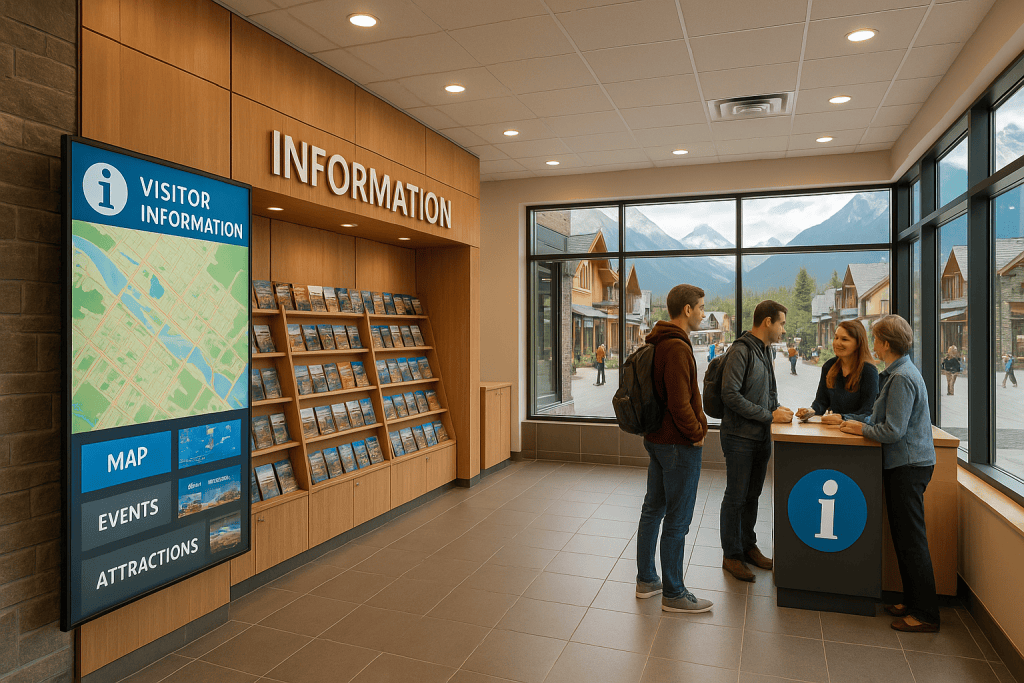
In Banff, authorities have selected a new design team for the town’s primary visitor centre. The project is intended to modernize how information, wayfinding, and local experiences are presented to tourists, and to create more flexible interior space that can support pop-up activations, small-scale programming, and partner showcases.
Meanwhile, Ottawa’s annual Tulip Festival is undergoing programming and operational updates. Organizers are refining site layouts, visitor flows, and amenities across festival grounds to better handle peak crowds and to enable more structured cultural and community events alongside the floral displays.
On the shores of Georgian Bay, Wasaga Beach officials are advancing a beach protection plan under the Destination Wasaga banner. The initiative focuses on shoreline preservation, crowd management, and long-term environmental resilience. These measures are expected to influence how large gatherings, seasonal events, and tourism activities are staged along the waterfront.
Collectively, these projects highlight how Canadian destinations are aligning public-space investments with broader tourism and event strategies. Further details on each initiative and related visitor resources are available via the respective municipal and tourism portals, including official destination websites such as Banff’s tourism information hub.
Industry impact
For event professionals, the redesign of Banff’s visitor centre could expand opportunities for information kiosks, sponsor-driven exhibits, and small event extensions connected to larger conferences or festivals in the region.
- Improved interior layouts may support better wayfinding and attendee services during peak tourism and event seasons.
- Updated digital infrastructure within the centre could enable real-time event listings, ticketing support, and interactive maps.
In Ottawa, adjustments to Tulip Festival programming and site operations are likely to influence how future cultural events are planned in public parks. Lessons learned around crowd control, temporary structures, and vendor placement may inform permitting and layout decisions for other outdoor festivals.
Wasaga Beach’s protection plan could affect permitting conditions, capacity limits, and staging options for waterfront events. Organizers may need to adapt to new guidelines on dune and shoreline access, temporary installations, and infrastructure loads, but could also benefit from clearer frameworks for long-term event planning.
Why this matters
These developments underscore a broader trend: destinations are tying visitor experience, environmental resilience, and event readiness more closely together. For planners and producers, that can translate into better-designed public spaces, clearer regulations, and more reliable infrastructure for both recurring and one-off events.
As municipalities and tourism bodies invest in visitor centres, heritage festivals, and coastal protection, they are effectively shaping the future toolkit for the event industry—determining where and how large gatherings can happen, and what kinds of experiences are feasible. Staying informed about these local changes will help event professionals make more strategic choices about sites, formats, and seasonality across Canada.