


Background and context
As live events return at scale, many organizers are re-evaluating how they source and manage production services. Instead of coordinating separate suppliers for audio, video, lighting, staging, content, and streaming, a growing number are turning to a single, full-service production partner to handle everything end to end.


This 360-degree model is not new, but it is gaining renewed attention as event teams face tighter timelines, hybrid formats, and complex technical requirements. Rather than acting as a collection of vendors, a single production company assumes responsibility for the full technical and creative delivery of the event.
For planners, the shift is less about adopting a new technology and more about restructuring how technology, content, and logistics are integrated across the event lifecycle.
Key announcement
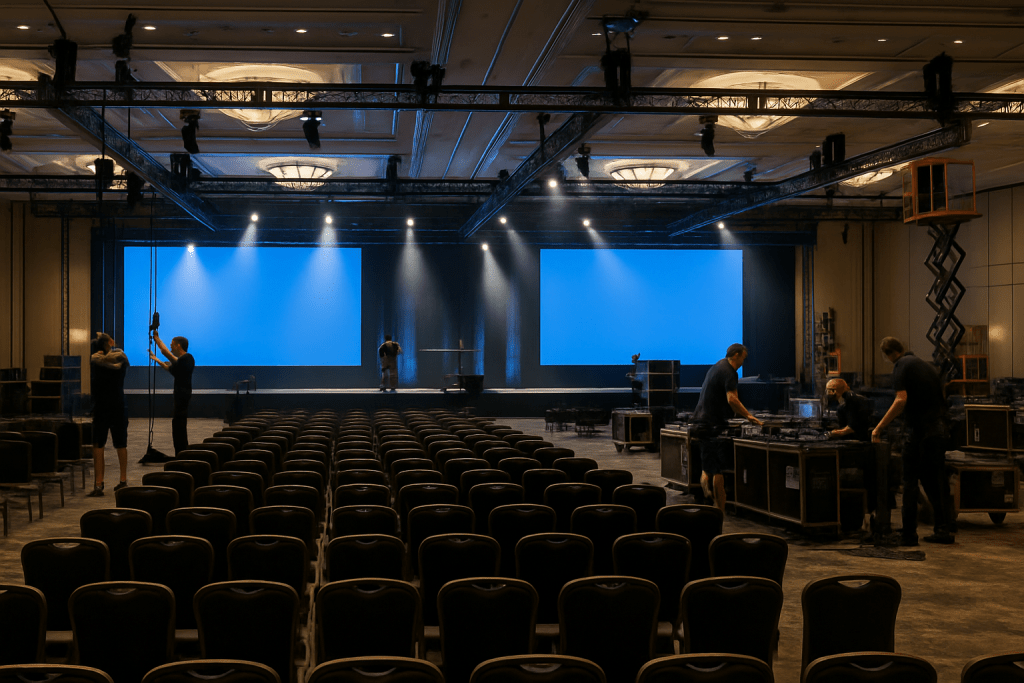
A leading production provider is positioning itself as a 360-degree event partner, emphasizing that clients can consolidate creative, technical, and on-site execution with one team. The company says it can cover everything from concept development and stage design to AV, broadcasting, and post-event content capture.
According to the manufacturer, this approach is intended to reduce the number of external parties involved in an event and streamline the flow of information from initial briefing to showtime. The provider describes a model where one production lead interfaces with the client while internal specialists handle disciplines such as sound engineering, video, lighting, stage management, and virtual platforms.
The company also highlights its ability to support different event formats—corporate conferences, brand launches, award ceremonies, and hybrid broadcasts—within a single framework. More details on their integrated services are available on the manufacturer’s official website.
Industry impact
The 360-degree partner model reflects broader changes in the event technology landscape. As AV systems, broadcast-grade video, LED walls, and streaming platforms converge, separating responsibilities across multiple small suppliers can introduce friction and raise the risk of technical gaps.
By centralizing production, providers aim to create a single technical plan that covers in-room experiences, remote viewing, and content reuse. This can simplify design choices, such as selecting compatible equipment, planning signal flow, and ensuring redundancy for critical sessions.
For event technology teams, the consolidation trend could mean fewer one-off equipment rentals and more long-term relationships with production partners that understand a client’s recurring formats, preferred platforms, and brand standards.
At the same time, this model may put pressure on niche vendors that traditionally focused on one segment, such as lighting or streaming, and now must either specialize further or integrate within a larger partner ecosystem.
Why this matters
For event organizers, the move toward a single 360-degree production partner has several practical implications:
-
Simplified coordination: One primary contact can reduce the time spent aligning multiple teams, especially during pre-production and on-site rehearsals.
-
More consistent technical planning: A unified production plan can help ensure that audio, video, lighting, and digital components are designed to work together from the start.
-
Clearer accountability: With one company responsible for overall delivery, there is less ambiguity about who owns specific technical or creative outcomes.
-
Potential cost transparency: Bundled services can make it easier to see how production decisions affect the budget, though planners still need to compare itemized proposals carefully.
However, this approach is not without trade-offs. Relying on a single partner can limit the ability to mix and match specialized providers or negotiate line-item pricing across categories. Event professionals will need to weigh the benefits of integration against the flexibility of a more distributed vendor model.
As expectations for production quality continue to rise—even for mid-size corporate and association events—the question for planners is less whether to use advanced AV and broadcast tools, and more how to structure their partnerships to deliver them reliably. The emergence of 360-degree event partners is one response to that challenge, and it is likely to influence how event technology services are packaged and purchased in the years ahead.