


Background and context
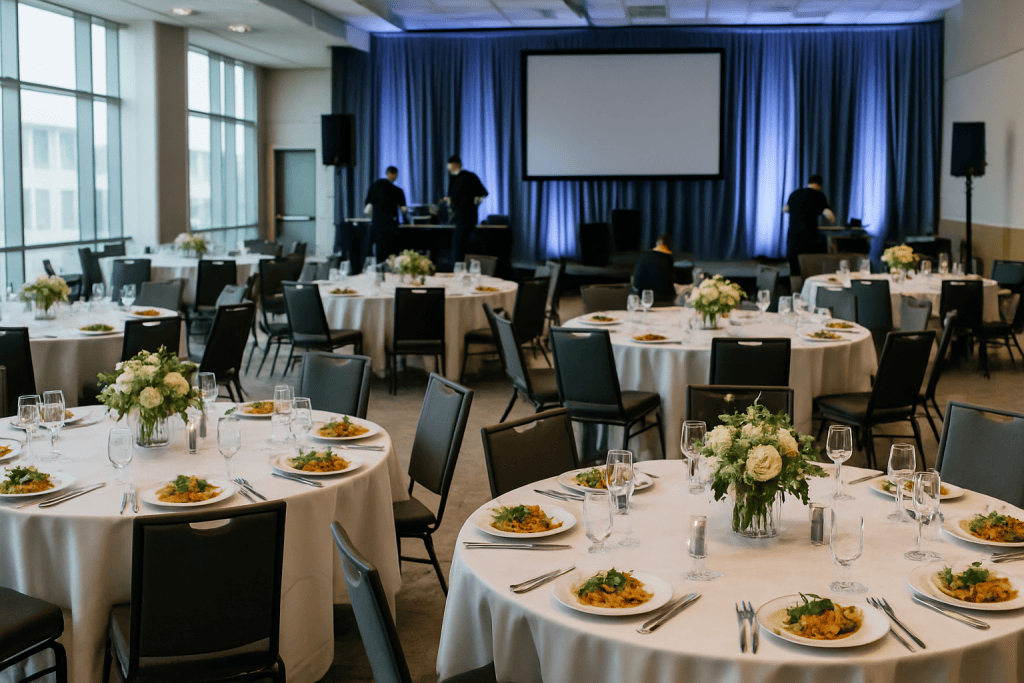
A recent industry gathering in Washington, D.C. brought together local event professionals for a luncheon that combined culinary presentation with fashion-inspired design.
The event was developed as a collaborative showcase by Well Dunn Catering and Design Foundry, both established vendors in the region’s corporate, nonprofit, and social events market. Their aim was to demonstrate how food and aesthetics can be integrated to create more cohesive guest experiences.
At a time when planners are seeking fresh approaches to in-person events, the luncheon served as a live case study in cross-discipline collaboration between catering and design teams.
Key announcement
Well Dunn Catering and Design Foundry partnered to produce a four-course meal for fellow event professionals, positioning the program as both a networking opportunity and a design-driven showcase. The manufacturers of the experience—the caterer and design studio—treated the luncheon as a prototype for how food and fashion concepts can inform each other in event planning.
Each course was paired with a distinct visual theme, with décor, table settings, and plating designed to echo elements often seen in fashion collections, such as texture, color blocking, and layered materials. The goal was to illustrate how a single creative concept can be interpreted consistently across menu design, tabletop styling, and overall room layout.
- Four-course menu designed to highlight presentation as much as flavor
- Room design and tablescapes influenced by fashion-inspired palettes and patterns
- Guest list focused on planners, producers, and other event professionals
According to Well Dunn Catering’s official site, the company has been emphasizing visual storytelling and customized menu concepts as a core part of its offering, and this luncheon reflected that direction in a live event format.
Industry impact
For event professionals, the luncheon highlighted how catering and design teams can work together from the outset rather than operating in separate tracks. By treating the entire environment as a unified canvas, the partners demonstrated an approach that could be applied to conferences, galas, brand launches, and association meetings.
The program also underlined a shift in expectations around food and beverage at business events. Rather than viewing meals as functional breaks, the luncheon positioned food as a central storytelling device—connecting menu choices, plating, and décor to a broader creative theme.
- Encourages earlier collaboration between F&B and design vendors during planning
- Reinforces the role of plated presentations as part of the visual experience
- Offers a model for mid-scale events that want distinctive but practical concepts
Why this matters
As in-person events continue to compete with virtual alternatives, experiences that feel curated and visually cohesive are becoming more important. The Washington, D.C. luncheon illustrates how relatively standard elements—a four-course meal and a daytime networking format—can be rethought through the lens of fashion, design, and narrative.
For planners, the key takeaway is not the specific theme, but the process: aligning culinary and design teams around a shared concept early in planning can elevate even familiar event formats. Vendors, meanwhile, may see opportunities to position their services less as standalone functions and more as integrated components of a broader guest journey.
By using a simple luncheon to test these ideas with an audience of peers, Well Dunn Catering and Design Foundry provided a practical example of how food and fashion-inspired design can intersect in everyday event settings.