


Background and context
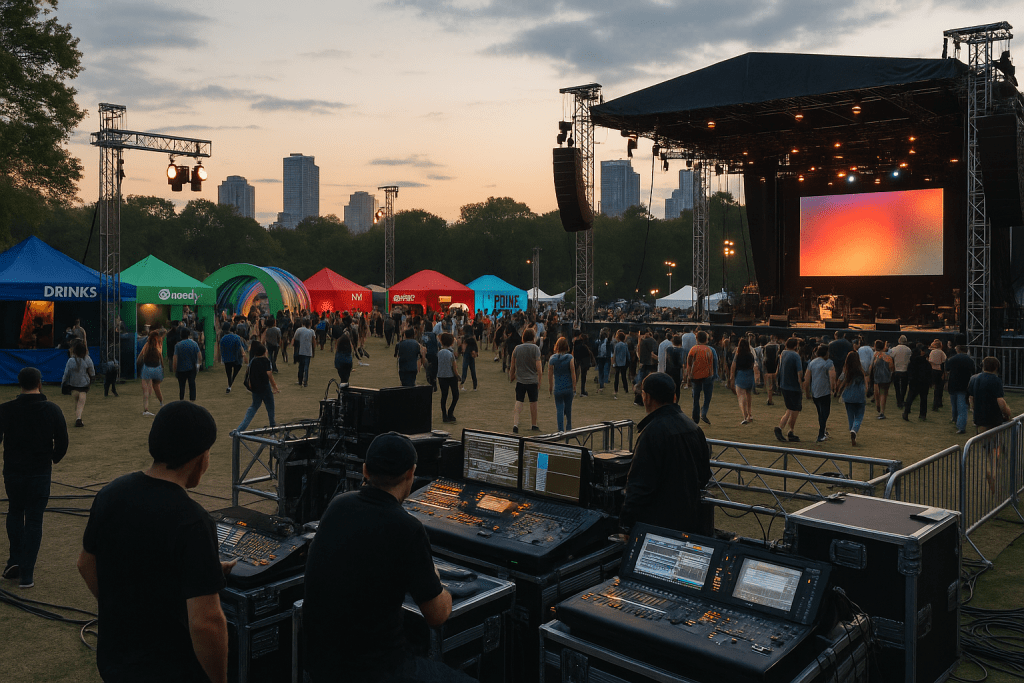
New York City’s Governors Ball Music Festival (Gov Ball) has developed into a major testing ground for brand-led experiences, bringing together live music, large crowds, and a dense mix of experiential activations. The 2026 edition continued this trend, with more than 20 brands building on-site spaces aimed at connecting directly with festivalgoers.
As live events return to full capacity and audiences expect more than traditional sponsorship signage, festivals like Gov Ball have become a laboratory for new types of fan engagement. For event organizers and marketers, the gathering offers a snapshot of how consumer, retail, and entertainment brands are approaching physical experiences in a competitive attention landscape.
Key announcement
The 2026 Gov Ball marked sponsorship debuts for a range of brands, including resale marketplace Depop, beverage line Welch’s Fusions, cannabis-adjacent brand Ayrloom, frozen drink maker F’real, delivery platform DoorDash, Maybelline Cosmetics, and SERVD by Hasbro, among others. Each used the festival environment to trial different forms of on-site interaction.
While full activation details varied, the mix typically included a combination of branded lounges, sampling stations, interactive installations, and social-media-friendly set pieces designed to encourage photo sharing. Some sponsors leaned into utility-focused offerings, such as shaded rest areas or product touch-up stations, while others relied on games, giveaways, or digital tie-ins to capture data and drive post-event engagement.
Across the festival site, brands experimented with measurable engagement tactics: QR codes linking to exclusive content or offers, opt-in data capture in exchange for premium experiences, and integrations that connected on-the-ground activity with ongoing digital campaigns. The breadth of participating sponsors underscored how music festivals continue to attract categories ranging from beauty and food to gaming and on-demand services.
Industry impact
For the event technology and live experience sector, Gov Ball 2026 highlighted a few clear trends. Brands are increasingly treating festivals as multi-day experiential platforms rather than one-off visibility buys, and are investing in more complex builds and content strategies to support that shift.
This is driving demand for:
- Modular, quickly deployable structures that can adapt to different festival sites.
- Integrated AV systems that support both live interaction and content capture.
- Data and analytics tools that connect attendee behavior at the activation with broader marketing efforts.
- Staffing solutions that blend brand ambassadors with technically trained operators.
The range of categories present at Gov Ball also shows how experiential marketing is expanding beyond traditional beverage and telecom sponsors. Beauty, retail, and app-based platforms are now committing significant resources to on-site engagement, which in turn raises expectations for production quality and interactivity.
Why this matters
For event producers, agencies, and technology providers, the activity at Gov Ball 2026 illustrates how sponsorship is evolving from static branding to service-oriented, tech-enabled experiences. Attendees increasingly expect tangible value—shade, charging, samples, or unique content—in return for their time and data.
This environment favors vendors and partners who can deliver:
- Flexible AV and staging solutions that support both performance and brand content.
- Seamless integration between physical activations and mobile or web-based experiences.
- Scalable designs that can be repurposed across multiple festivals and markets.
As more brands follow the lead of those activating at major festivals, the line between entertainment, retail, and media continues to blur. For stakeholders in the event technology space, Gov Ball’s 2026 sponsorship slate signals ongoing growth in demand for tools and services that make these complex, immersive environments possible.
Further information on participating brands and their festival strategies can typically be found via their official websites and product pages, where they often extend or repurpose on-site content for year-round campaigns.