


Background and context
Canada’s business events sector is entering a new phase of investment and policy focus, with several recent moves aimed at improving venue infrastructure, accessibility, and inclusion.
Destination marketing organizations, convention centres, and tourism bodies are increasingly prioritizing modern, flexible spaces and experiences that reflect Canada’s diversity and evolving visitor expectations.
Recent announcements from Montréal and Ontario illustrate how public and private stakeholders are responding to demands for more sustainable, inclusive, and accessible event environments.
Key announcement
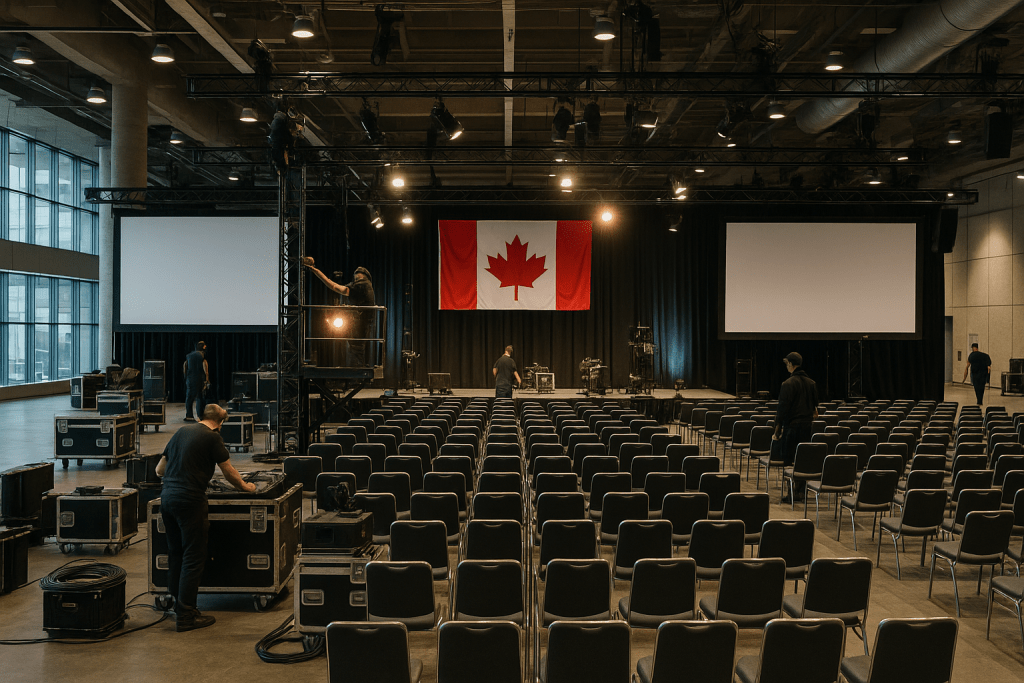
In Montréal, the Palais des congrès de Montréal has advanced a modernization programme designed to update both the physical space and the technology used to host large-scale events. The project focuses on improving the delegate experience through refreshed interiors, upgraded AV capabilities, and more flexible meeting configurations.
The initiative aligns with the venue’s broader strategy to attract international congresses and hybrid events by offering improved digital infrastructure and more adaptable spaces for conferences, exhibitions, and corporate gatherings. Organizers can expect enhancements in connectivity, staging options, and support for complex technical requirements.
At the same time, National Indigenous History Month is prompting a number of Canadian event organizers and venues to incorporate Indigenous perspectives more prominently in their programming. This includes collaborations with Indigenous communities on cultural content, protocols, and storytelling, as well as reconsideration of how spaces and experiences are designed to be more representative and respectful.
In Ontario, Destination Ontario has partnered with AccessNow, an accessibility information platform that maps and rates the accessibility of public spaces. Through this collaboration, the tourism and events agency aims to provide clearer, searchable accessibility details for visitors and event planners considering Ontario for meetings, festivals, and business events.
The partnership is intended to give planners better insight into factors such as step-free access, washroom facilities, seating layouts, and assistive features at participating venues, attractions, and public areas. Destination Ontario is promoting the resource through its official channels and visitor information platforms. More information on the destination’s broader offerings is available via its main website.
Industry impact
For event professionals, these developments point to a strengthened emphasis on infrastructure quality and attendee experience in Canadian destinations.
- The Palais des congrès de Montréal’s modernization programme is likely to increase the venue’s competitiveness for international congresses, incentive travel, and large corporate events seeking modern AV, hybrid formats, and customizable rooms.
- National Indigenous History Month initiatives may influence program design, speaker selection, and cultural elements at events throughout June and beyond, encouraging more intentional engagement with Indigenous communities.
- Destination Ontario’s work with AccessNow provides an additional tool for planners who must meet accessibility requirements and wish to benchmark venues across provinces.
Collectively, these efforts could help position Canadian cities as more inclusive and future-ready choices for global meetings and events, particularly for organizations that prioritize accessibility and social impact in their site selection.
Why this matters
Event organizers face growing expectations around inclusivity, accessibility, and the quality of onsite and hybrid experiences. The moves in Montréal and Ontario illustrate how key Canadian stakeholders are responding with practical changes to infrastructure, information, and cultural engagement.
Upgraded facilities at major convention centres can reduce technical friction, support more complex production requirements, and offer attendees a smoother on-site experience. Meanwhile, tools that surface detailed accessibility information help planners build events that are compliant, inclusive, and transparent for participants.
As destinations continue to compete for global business events, these types of investments and partnerships are likely to become standard considerations in bids and RFPs. For vendors, agencies, and organizers, tracking such developments across Canada will be important when assessing where and how to stage future conferences, exhibitions, and live experiences.