


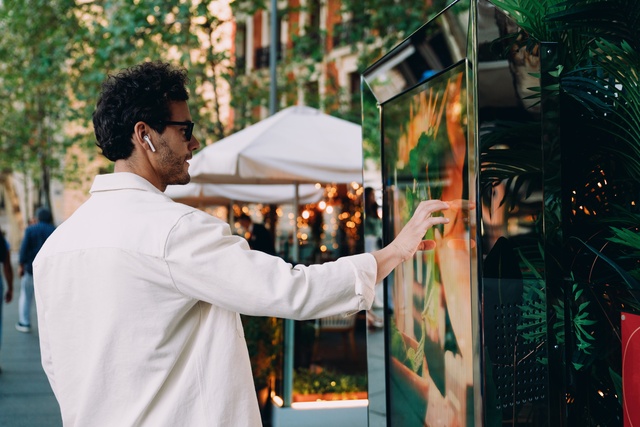
In the era of data-driven experiences, wearable technology is redefining how events engage attendees and optimize operations—far beyond the limitations of traditional badges.
1. Real-Time Tracking & Interaction Insights
Wearable devices like RFID wristbands, NFC-enabled badges, and smart wearable gadgets capture rich, real-time data on attendee movement, session participation, and engagement levels. This enables organizers to refine venue layouts, session content, and on-the-fly activations based on attendee behavior.
2. Enhanced Personalized Experiences
Wearable tech opens the door for personalized experiences—whether through smart clothing tracking biometric data (e.g., heart rate, temperature), GPS-enabled navigation within large venues, or tailored notifications that guide attendees to relevant sessions, exhibitors, or promotions.
3. Operational Efficiency & Layout Optimization
Analyzing traffic flows through wearables helps optimize staffing, booth placements, and event design. These insights can streamline operations, help reduce congestion, and maximize visibility to high-interest zones.
4. Attendee Comfort, Privacy & Adoption
To ensure widespread adoption, selecting wearables that are comfortable, user-friendly, and blend seamlessly into the attendee experience is crucial. Prioritizing data privacy—complying with regulations and transparently communicating data policies—builds trust and encourages participation.
5. Integration with Event Ecosystems
When wearable solutions integrate effortlessly with event management platforms, organizers can tap into real-time data, create dynamic dashboards, and deliver actionable insights—empowering live decision-making.
6. Sustainability & Flexibility
Leveraging wearables that are reusable, energy-efficient, or environmentally friendly helps reduce waste and align with sustainability goals. Flexible deployment—such as on-site printing or modular devices—also allows events to adapt quickly to changing needs or unexpected attendance surges.
Takeaway
Wearable technology is ushering in a transformative era for events. By moving beyond simple identification tools and embracing wearables, organizers unlock dynamic engagement, data-rich insights, and adaptable operations—creating more memorable, impactful, and efficient event experiences.