


Background and context
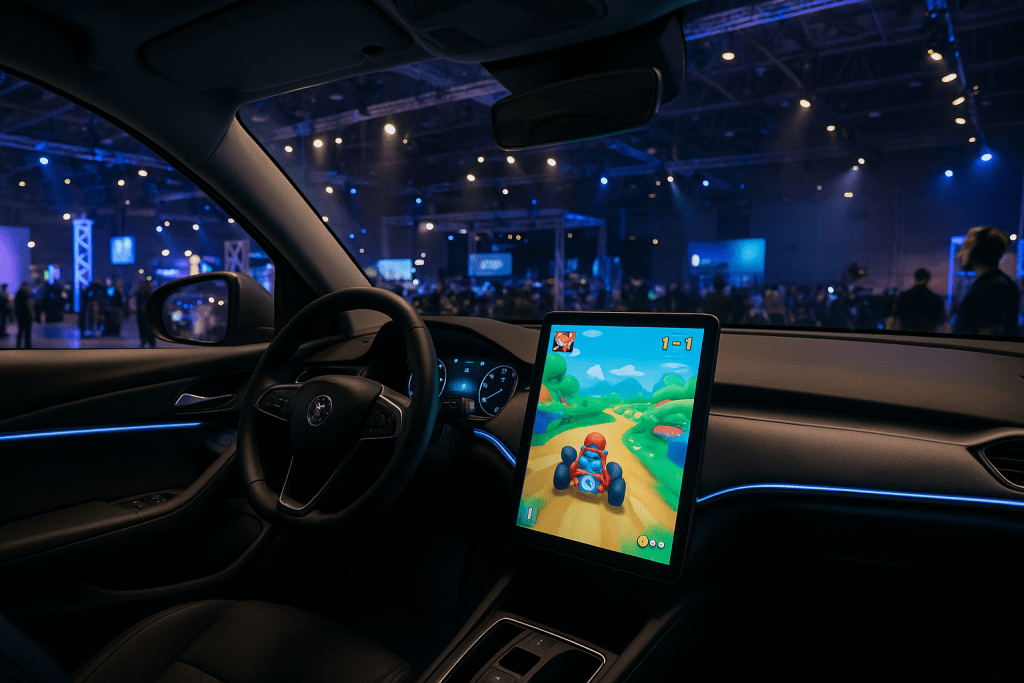
The line between automotive design, home entertainment and gaming continues to blur, as manufacturers compete to turn vehicle cabins into multipurpose digital spaces. High-end audio has already become a key differentiator in premium cars, and gaming is now emerging as the next battleground for in-car experiences.
German audio specialist Sennheiser and Mercedes‑Benz have worked together previously on immersive sound systems for select models. Their partnership has focused on bringing premium, cinema-like audio into the car, reflecting a wider industry trend toward personalized, software-defined in-car environments.
As vehicles gain larger displays, more powerful processors and stable connectivity, gaming has become a logical extension of multimedia systems. This shift is particularly relevant for electric and autonomous-ready vehicles, where drivers and passengers may spend more time stationary and looking for entertainment options.
Key announcement
Sennheiser and Mercedes‑Benz are expanding their collaboration to address gaming audio inside the car, building on their existing immersive sound integration. The initiative aims to optimize how games sound within the vehicle cabin, using spatial audio technologies and the car’s built-in loudspeaker systems.
According to Sennheiser, the joint effort focuses on delivering a more precise and engaging sound field tailored for interactive content, rather than only for music and film. This includes better localization of in-game audio cues, clearer dialog, and more dynamic rendering of sound effects in 3D space.
While detailed technical specifications and supported models were not fully disclosed, the companies indicate that the work is intended to scale across future Mercedes‑Benz vehicles equipped with advanced infotainment platforms. The collaboration continues Sennheiser’s strategy of extending its AMBEO and immersive technologies beyond traditional home and studio environments. Further information on Sennheiser’s automotive solutions is available via its official product pages on sennheiser.com.
Industry impact
This move highlights how car manufacturers are positioning vehicles as entertainment hubs, particularly for passengers and for use cases when the car is parked, charging or operating with higher levels of driver assistance. Integrating optimized gaming audio aligns with broader efforts to add value through software and content, rather than only hardware upgrades.
For the event and AV technology sector, the development is another example of immersive audio workflows moving into non-traditional venues. Techniques used in live events and fixed installations—such as object-based mixing, spatial rendering and careful tuning for specific listening environments—are increasingly being adapted to automotive interiors.
The partnership may also influence expectations for audio quality and interactivity in other shared spaces, including hospitality, exhibition and experience-driven environments, where visitors now anticipate game-like, responsive sound.
Why this matters
For technology professionals, Sennheiser and Mercedes‑Benz’s focus on gaming audio underlines a few key shifts. First, immersive audio is becoming a baseline requirement across many touchpoints, from cars and homes to live venues and branded experiences. Second, gaming is no longer limited to consoles and PCs; it is evolving into a cross-platform content category that must sound convincing in very different acoustic contexts.
As in-car experiences borrow more from high-end AV and event production, there is growing demand for sound design, content adaptation and integration expertise that can span multiple environments. Audio and experience designers who understand both real-time interactive sound and physical acoustics may find new opportunities in automotive projects and related experiential installations.
While this collaboration is primarily automotive-focused, it reinforces a wider message for the event technology community: audiences are becoming accustomed to cinematic, spatial and game-ready audio in their everyday lives. That rising baseline will influence expectations for conferences, live events, exhibitions and location-based entertainment, where the quality and precision of sound increasingly shape how audiences judge the overall experience.