


Background and context
Canada’s event and meetings sector is using a mix of association outreach, large-scale public gatherings, and education-focused attractions to position the country as a competitive destination for business events and experiential tourism.
Recent developments span business travel promotion, design-led outdoor experiences, and sustainability storytelling—areas that continue to shape how destinations attract both planners and attendees.
Key announcement
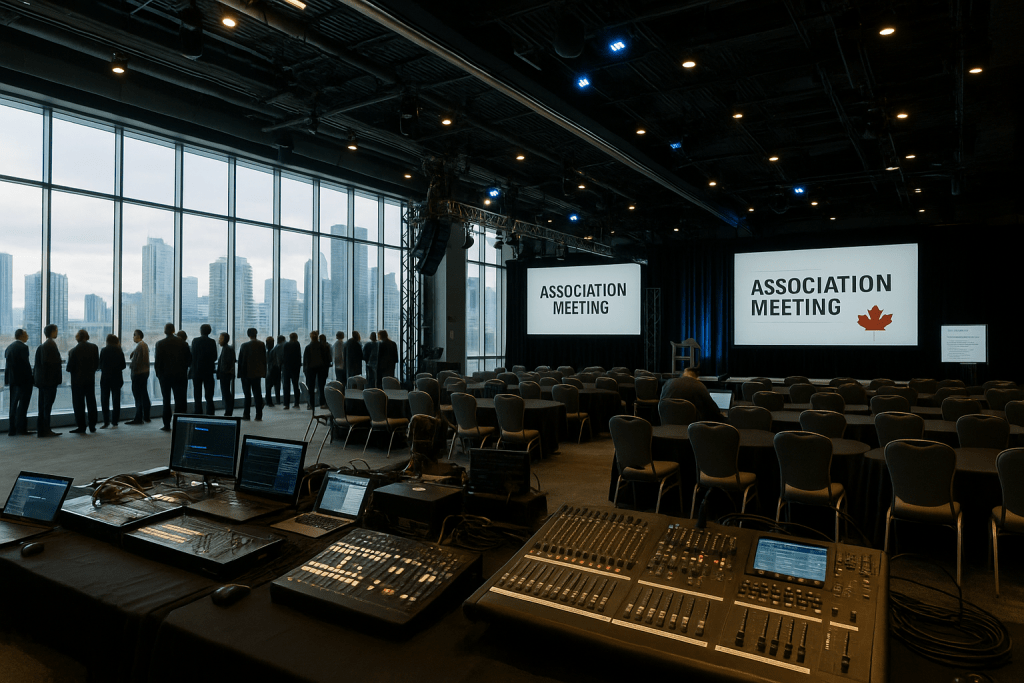
Destination Canada, the national tourism organization, has been actively engaging the association market through its presence at the American Society of Association Executives (ASAE) Annual Meeting & Exposition. The organization used the ASAE platform to highlight Canada’s convention cities, knowledge sectors, and incentive offerings to North American association executives.
At ASAE, Destination Canada and its city partners focused on face-to-face meetings with association leaders, emphasizing access to local industry clusters, sustainability credentials, and infrastructure for international congresses. The goal is to secure future conferences and rotational meetings for Canadian destinations.
Alongside business-focused work, consumer-facing events continue to draw attention. Dîner en Blanc, the globally known pop-up dinner where guests dress in white and gather at secret outdoor locations, staged a major edition in Edmonton. The event brought thousands of participants to an undisclosed public space revealed shortly before start time, underscoring Edmonton’s capacity to host large, design-driven gatherings.
In Montreal, the Biosphère—an iconic geodesic structure dedicated to the environment—has opened a new exhibit centered on sustainability and climate themes. The installation combines interactive elements, educational content, and multimedia to engage visitors around environmental change and responsible futures.
Together, these initiatives reflect how Canadian cities are balancing business event outreach, public cultural experiences, and educational programming. Further information on Destination Canada’s business events activities is available via its official website at destinationcanada.com.
Industry impact
Destination Canada’s efforts at ASAE reinforce the importance of the association market to the country’s convention strategy. Securing large-scale association meetings can generate multi-year economic benefits for host cities, supporting hotels, venues, and local service providers.
For planners, Canada’s messaging around knowledge sectors and sustainability is aligned with broader global trends. Many associations now seek destinations that can connect their delegates with local experts and research institutions, while also meeting expectations for responsible event design.
The Edmonton edition of Dîner en Blanc highlights how pop-up concepts can be used to showcase urban spaces and engage local partners. These events typically require close coordination with city authorities, production teams, and transportation providers, offering opportunities for local AV firms, caterers, and decor specialists.
Meanwhile, the Montreal Biosphère’s new exhibit signals ongoing demand for content-rich visitor experiences. Venues that combine educational missions with immersive technologies are increasingly relevant as both stand-alone attractions and as potential off-site options for conferences and incentive programs.
Why this matters
For event professionals, these developments illustrate how Canadian destinations are positioning themselves on multiple fronts: winning international association business, hosting highly visible public events, and investing in venues that support storytelling around major themes such as sustainability.
Associations and corporate planners evaluating Canada will note the emphasis on sector expertise, environmental commitments, and experiential formats that appeal to diverse audiences. For suppliers, from AV to catering and design, the activity around large gatherings and new exhibits suggests ongoing demand for partners who can deliver technically robust and creatively led experiences.
As competition intensifies among global destinations, Canada’s mix of business events outreach, creative public programming, and sustainability-focused attractions could play a significant role in future site-selection decisions.