


Background and context
With the next FIFA World Cup set for 2026 in North America, brands and host cities are already exploring how to engage fans on and off the pitch. The most recent tournament offered a real-time laboratory for testing live experiences, digital extensions, and large-scale public gatherings.
From fan zones and branded pop-ups to immersive viewing parties, organizers used the global event to trial formats that could scale up for 2026. These efforts are particularly relevant to event professionals, who are being asked to deliver high-impact experiences that balance safety, accessibility, and commercial goals.
Key announcement
Brands, tourism boards, and sports organizations used the latest World Cup cycle to prototype event concepts that are likely to appear—often in expanded form—during the 2026 tournament. While no single breakthrough activation dominated, several patterns emerged across markets and venue types.
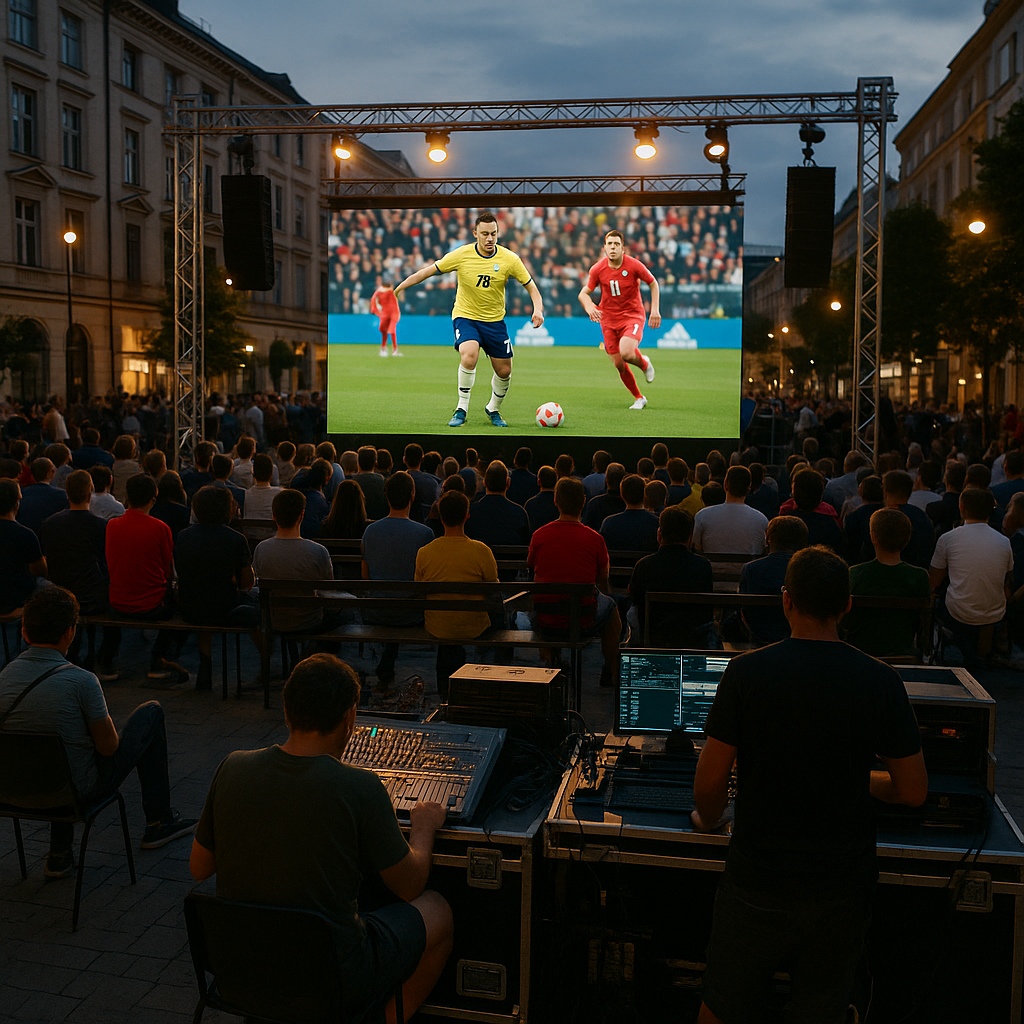
Public fan festivals, often organized in partnership with local authorities, combined large-format screens with food, merchandise, and sponsor zones. Many of these sites incorporated flexible staging, modular LED displays, and scalable audio systems to adapt to fluctuating crowd sizes throughout the tournament.
Brands also leaned into hybrid formats, pairing physical experiences with second-screen content, mobile apps, and social media campaigns. Location-based AR games, interactive prediction walls, and live data visualizations were common tools used to extend engagement beyond the core match window.
In parallel, venue operators and event agencies stressed operational lessons: queue management, rapid deployment of temporary structures, and contingency plans for weather and crowd surges. These insights are expected to inform planning for 2026, when matches will be spread across multiple major cities and time zones.
Industry impact
For the event technology and live production sectors, the recent World Cup cycle highlighted growing demand for integrated solutions that can support large crowds, complex sponsor requirements, and broadcast-quality experiences in non-stadium environments.
- Increased use of high-brightness outdoor LED screens and robust playback systems for fan zones and public squares.
- Stronger reliance on networked audio, with distributed speaker systems designed to maintain clarity across large, open spaces.
- Demand for flexible staging, truss, and lighting packages that can be installed and de-rigged quickly between match days.
- Greater emphasis on connectivity to support live streaming, social content production, and on-site mobile experiences.
Event agencies and production companies reported that sponsors are asking for clearer measurement of fan interactions, whether through footfall estimates, dwell time in activation zones, or digital engagement tied to on-site activities.
Why this matters
For organizers preparing for the 2026 FIFA World Cup, the recent tournament serves as a blueprint for what works—and what needs refinement—when managing global-scale fan experiences. Cities and venues hosting matches in 2026 are expected to adapt many of these activation models, with more emphasis on resilience, accessibility, and data-driven planning.
Brands are likely to prioritize experiences that can travel between markets: modular fan zones, portable interactive exhibits, and content frameworks that can be localized without re-engineering the entire production. Event technology providers that offer scalable, interoperable systems will be well-positioned to support these needs.
As planning accelerates, resources such as FIFA’s official World Cup information at fifa.com provide a reference point for venues, rights holders, and suppliers tracking timelines and host city developments. For the wider event industry, the World Cup remains a high-profile stage where expectations for live experiences—and the technology that underpins them—are continuously being reset.