


Background and context
Food and beverage decisions have become a central part of event design, as planners look to align menus with guest expectations, wellness priorities, and sustainability goals. What appears on the plate now plays a strategic role in brand experiences, attendee satisfaction, and even programming flow.
At Baldor BITE 2026, a food-focused industry gathering hosted by food distributor Baldor Specialty Foods, caterers, chefs, and planners were given a preview of what is likely to emerge on event menus over the next few years. The discussions and tastings at the event pointed to several clear directions that could reshape how food and beverage is planned and delivered.
Key announcement
While not built around a single product launch, Baldor BITE 2026 functioned as a showcase of evolving practices in event catering. The event highlighted four main trends that are expected to surface more frequently on conference, gala, and corporate event menus.
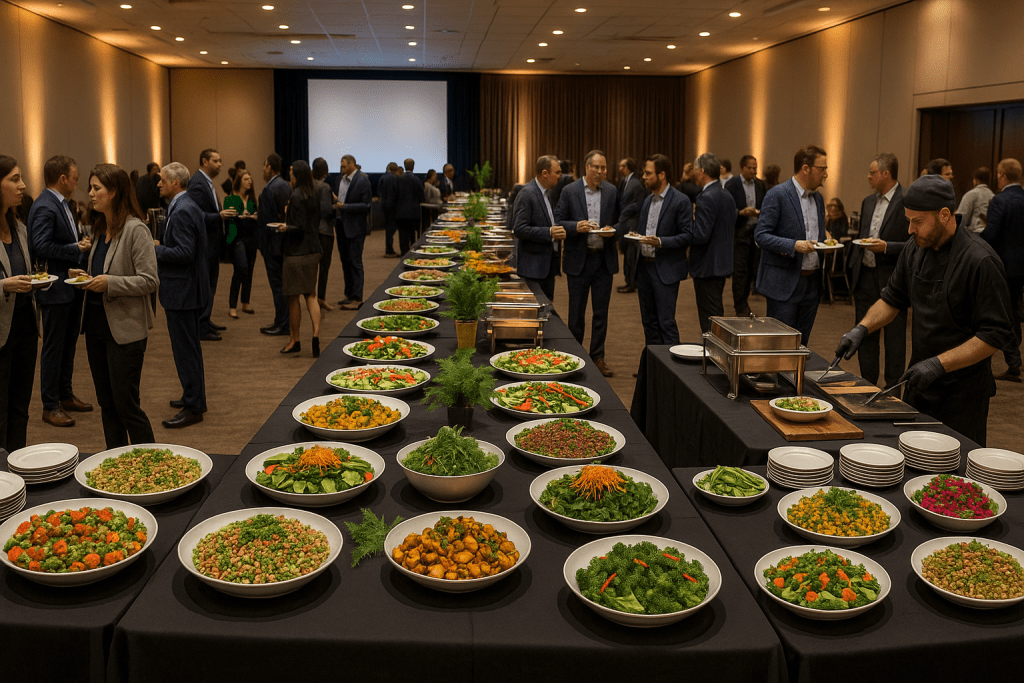
- Plant-forward, not necessarily plant-only: Menus are moving toward a plant-forward approach, emphasizing vegetables, grains, and legumes without fully eliminating animal protein. Expect more events where the majority of dishes are vegetable-based, with smaller portions of meat or seafood used as accents rather than main features.
- Global flavors, local sourcing: Dishes inspired by a broad mix of regional and international cuisines are gaining traction, but planners are increasingly pairing these flavors with locally sourced ingredients. This mix allows caterers to deliver varied, adventurous menus while supporting regional producers and reducing transport miles.
- Functional and wellness-driven options: Attendees are seeking food that supports energy, focus, and dietary needs. Baldor BITE 2026 underscored rising demand for menus that clearly mark items as high-protein, low-sugar, gluten-free, or dairy-free, alongside offerings that feature whole foods, fermented items, and minimally processed ingredients.
- Flexible formats and less formality: Traditional multi-course plated meals are increasingly sharing space with more flexible formats such as chef stations, shareable small plates, and grazing-style setups. These formats support networking and movement while still allowing for high-quality, chef-driven food.
More information about Baldor’s event and its foodservice offerings can be found on the company’s official site at baldorfood.com.
Industry impact
For event planners and caterers, these shifts may require adjusting menu planning, kitchen operations, and supplier relationships. Plant-forward menus and functional food offerings, for example, depend on consistent access to fresh produce and specialty ingredients, as well as staff who understand modern dietary patterns.
The emphasis on global flavors paired with local sourcing could also affect how venues collaborate with regional farms and purveyors. Contracts may evolve to prioritize seasonal availability, and menu concepts may need built-in flexibility to account for changing harvests.
On the service side, looser, more interactive meal formats will likely influence floor plans, staffing models, and scheduling. Live stations, for instance, can create engagement but also demand more space, power, and coordination between culinary and production teams.
Why this matters
As attendees become more health-conscious and sustainability-focused, food and beverage can no longer be treated as a secondary consideration. Menus that reflect these emerging trends may help organizers increase satisfaction scores, accommodate a wider range of dietary needs, and support corporate ESG commitments.
For suppliers and caterers, early alignment with these directions could provide a competitive edge. Those able to offer plant-forward options, clear nutritional and allergen information, and creative formats that fit networking-focused events may become preferred partners for planners.
The themes coming out of Baldor BITE 2026 suggest that the future of event catering will be less about spectacle and more about thoughtful, adaptable food experiences that reflect how people now want to eat—on site, in real time, and in line with their values.