


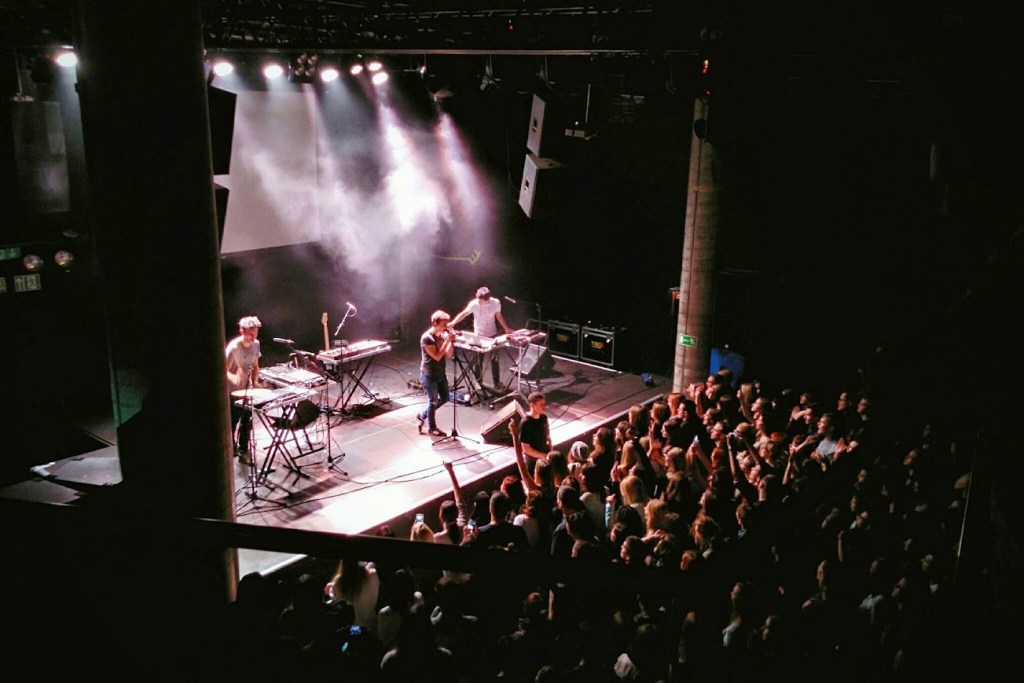
Projection mapping has transformed how events use space. What once relied on static backdrops and linear screens has evolved into immersive environments where buildings move, stages breathe, and objects tell stories. In modern event design, projection mapping is no longer a visual enhancement—it is a spatial storytelling medium that merges technology, architecture, and narrative into a single experience.
From corporate launches and cultural festivals to exhibitions and large-scale public events, projection mapping enables organizers to create high-impact moments without physically altering venues. This article explores how projection mapping works in events, where it delivers the greatest value, the technical and creative considerations involved, and why it has become a cornerstone of next-generation experiential design.
Understanding Projection Mapping in the Event Context
Projection mapping is the technique of projecting digital content onto irregular or three-dimensional surfaces—such as buildings, stages, set pieces, vehicles, or sculptures—so that visuals align perfectly with physical geometry.
Unlike traditional projection:
-
Surfaces are not flat screens
-
Content is custom-mapped to physical forms
-
Visuals interact with real-world structures
-
The environment itself becomes the canvas
The result is an illusion where physical objects appear to transform, move, or come alive.
Why Projection Mapping Matters for Modern Events
Several shifts in the events industry have elevated projection mapping from novelty to necessity:
-
Experience-driven audiences demand visual impact and originality
-
Temporary events require high-impact design without permanent construction
-
Sustainability goals favor digital transformation over physical materials
-
Brand storytelling increasingly relies on immersive narratives
Projection mapping meets all these needs while offering flexibility and scalability.
Core Applications of Projection Mapping in Events
Stage Design and Live Performances
Projection mapping has redefined stagecraft. Stages are no longer static platforms; they are dynamic environments that evolve throughout a performance or presentation.
Common applications include:
-
Animated stage backdrops synchronized with speakers
-
Transforming set pieces between sessions
-
Visual cues that guide audience attention
-
Seamless transitions between agenda segments
For conferences and award shows, projection mapping adds cinematic depth without increasing physical set complexity.
Architectural Mapping for Outdoor Events
Large-scale architectural projection mapping is widely used for:
-
Product launches
-
City events and festivals
-
Cultural celebrations
-
Brand activations
By using buildings as canvases, events achieve massive visual scale while leveraging existing infrastructure. This approach is particularly effective for public-facing events seeking visibility and social amplification.
Brand Storytelling and Product Visualization
Projection mapping enables brands to tell stories that unfold across physical space.
Examples include:
-
Visualizing product evolution over time
-
Revealing hidden layers or internal components
-
Creating narrative arcs across multiple surfaces
-
Synchronizing visuals with sound and motion
These experiences are difficult to replicate with screens alone, making projection mapping a powerful differentiator.
Exhibitions and Trade Shows
In exhibitions, projection mapping replaces static panels with interactive, adaptive displays.
Benefits include:
-
Reduced physical material usage
-
Rapid content updates
-
Increased dwell time
-
Immersive storytelling within limited footprints
Mapped environments allow exhibitors to change themes or messages without rebuilding booths.
The Technology Behind Projection Mapping
Projection mapping relies on the precise coordination of multiple technical elements.
Surface Scanning and Mapping
The process begins with analyzing the physical surface:
-
Dimensions and contours
-
Material reflectivity
-
Ambient light conditions
-
Viewer sightlines
Specialized software creates a digital model of the surface, which becomes the basis for content alignment.
Content Design and Animation
Unlike standard video content, projection-mapped visuals must be designed specifically for the target surface.
This includes:
-
Perspective correction
-
Edge blending
-
Depth illusion techniques
-
Motion design aligned with physical geometry
Content and surface are inseparable—one cannot exist without the other.
Projection Hardware
High-brightness projectors are essential, especially for large venues or outdoor settings.
Key considerations include:
-
Lumen output
-
Throw distance
-
Lens selection
-
Redundancy and backup systems
Multiple projectors are often used in tandem to achieve seamless coverage.
Synchronization and Control Systems
Projection mapping is typically synchronized with:
-
Audio systems
-
Lighting cues
-
Live performances
-
Event control software
Precise timing ensures that visuals feel integrated rather than layered on top of the event.
Experience Design Principles for Projection Mapping
Effective projection mapping is not about visual overload—it is about intentional storytelling.
Respect the Architecture
The most compelling projections enhance architectural features rather than obscure them. Windows, edges, columns, and textures should guide content design.
Use Visual Hierarchy
Audiences need focal points. Well-designed mapping directs attention rather than overwhelming viewers with constant motion.
Design for Duration
Projection mapping must remain engaging across different viewing times—from brief glances to extended sessions. Loops and pacing matter.
Integrate With Narrative
Projection mapping works best when aligned with a broader event story—whether it is a product journey, cultural narrative, or thematic arc.
Operational and Logistical Considerations
Projection mapping requires careful planning well before show day.
Venue Assessment and Permissions
Outdoor mapping often requires:
-
Venue permissions
-
Local authority approvals
-
Power and safety assessments
Weather conditions must also be factored into planning and contingencies.
Setup and Calibration Time
Projection mapping demands extensive setup:
-
Physical alignment
-
Software calibration
-
Content testing
-
Rehearsals
Late-stage changes are difficult, making early coordination essential.
Technical Expertise
Successful mapping depends on skilled professionals who understand:
-
Visual design
-
Projection physics
-
Software workflows
-
Live event integration
This is not a DIY technology for large-scale applications.
Sustainability and Cost Efficiency
Projection mapping supports sustainability goals by:
-
Reducing physical set construction
-
Minimizing printed materials
-
Allowing content reuse across events
While initial costs may be higher than traditional projection, long-term value is often greater due to flexibility and reuse potential.
Measuring Impact and Effectiveness
Projection mapping success should be evaluated through:
-
Audience engagement and recall
-
Social media amplification
-
Media coverage and visibility
-
Brand perception uplift
-
Content reuse opportunities
When aligned with objectives, projection mapping often delivers strong experiential ROI.
Privacy and Ethical Considerations
When used in public spaces, projection mapping must consider:
-
Content appropriateness
-
Cultural sensitivity
-
Audience inclusivity
-
Avoidance of misleading visuals
Transparent communication and responsible design protect both audiences and brands.
The Future of Projection Mapping in Events
Projection mapping is evolving alongside:
-
Real-time generative visuals
-
AI-assisted content creation
-
Interactive and sensor-driven projections
-
Integration with XR and holographic systems
Future events will increasingly use projection mapping not as a standalone feature, but as part of a responsive, intelligent environment.
Skills Event Teams Must Develop
To deploy projection mapping effectively, event teams must understand:
-
Basic mapping workflows
-
Content production timelines
-
Venue and infrastructure requirements
-
Integration with AV and lighting systems
Projection mapping literacy is becoming a core competency in experiential event design.
Final Perspective
Projection mapping transforms spaces into storytellers. It allows events to speak through architecture, movement, and light—creating moments that feel immersive, emotional, and unforgettable.
When used with purpose and restraint, projection mapping elevates events beyond presentation into experience. It enables brands, organizations, and communities to communicate at scale without sacrificing creativity or sustainability.
At EventTechnology.org, we see projection mapping not as visual decoration, but as a powerful language—one that turns environments into narratives and audiences into participants.