


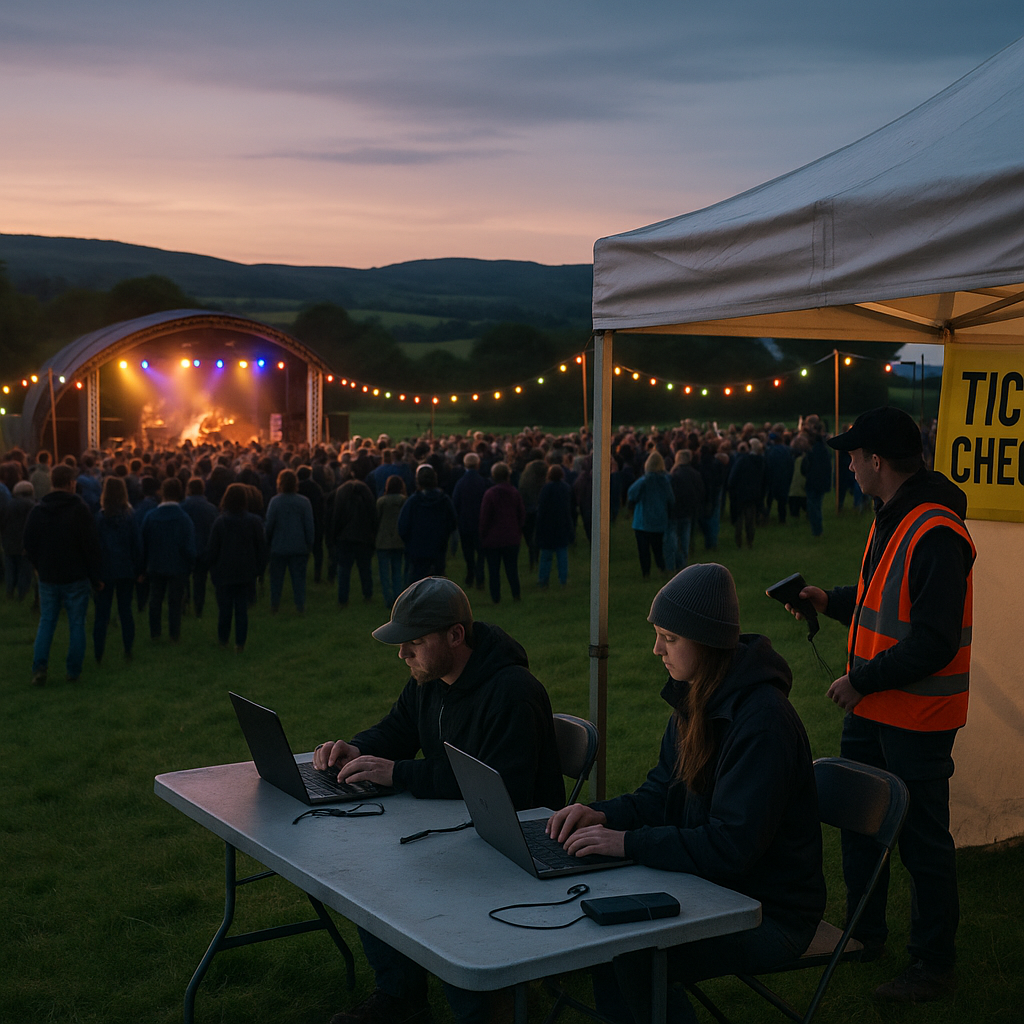
Independent festival organisers running very small and micro events in the UK are being invited to apply for a renewed bursary scheme jointly offered by ticketing platform Skiddle and the Association of Independent Festivals (AIF). Now in its second year, the initiative aims to ease cost barriers to trade association membership and strengthen the resilience of smaller festival operators.
Background and industry context
The UK festival sector continues to face significant financial and operational pressure, particularly for independent organisers at the smaller end of the market. Rising production costs, audience expectations around digital services and on-site experience, and tighter margins have made it harder for micro festivals to remain viable.
At the same time, access to professional networks, shared resources, and policy representation has become increasingly important for event operators navigating a challenging environment. Trade bodies such as AIF provide members with guidance, advocacy, and peer collaboration opportunities, but membership fees can be a hurdle for the smallest festivals, especially those in early stages of development.
This context has created a growing focus on targeted support measures for independent organisers, including training, technical assistance, and financial relief to access industry infrastructure and expertise.
Key developments in the bursary scheme
Skiddle and AIF have reopened applications for a bursary specifically aimed at organisers of very small and micro festivals across the UK. The scheme will offer up to 20 bursaries, each covering the cost of a full AIF membership for one year.
The bursary is designed to open up AIF’s range of services and community benefits to festivals that might otherwise be unable to participate. AIF membership typically includes access to industry briefings, policy updates, best-practice resources, networking events, and working groups focused on key operational areas such as safety, sustainability, and licensing.
By underwriting membership fees, the programme intends to give smaller organisers a route into these structures without immediate financial pressure. The renewed partnership follows the first year of the initiative, indicating ongoing demand from smaller events and continued support from both organisations.
Eligible applicants are expected to be organisers of small-scale independent festivals operating in the UK, with a clear need for support. While detailed selection criteria have not been published in the announcement, the focus is explicitly on “very small” and “micro” events, suggesting priority for festivals with limited capacity and constrained budgets.
Potential industry impact
For independent festival businesses, access to structured industry support can be as significant as direct financial aid. Bursary recipients will be able to engage with AIF resources that may help them address issues such as supplier relationships, regulatory compliance, risk management, and audience engagement strategies.
Many of these areas now intersect with event technology choices, from ticketing and access control to cashless payments, sustainability reporting, and audience data management. As a ticketing partner in the initiative, Skiddle sits at the connection point between festival operators and their audiences, and its involvement underlines the increasing role ticketing and data platforms play in the wider event ecosystem.
On a sector-wide level, bringing more micro festivals into a representative body can strengthen collective advocacy. Smaller operators often lack the resources to participate fully in consultations or lobbying processes. AIF’s expanded membership base may enable more accurate insight into the realities facing lower-capacity events, informing both policy positions and industry-wide guidance.
The bursary model also creates a pathway for emerging festivals to mature within a support framework, potentially improving survival rates for new or niche events. In practice, that could contribute to a more diverse festival landscape, with a range of formats, genres, and regional events benefitting from shared expertise and tools.
Why this matters for event professionals and technology providers
For festival and event professionals, the scheme highlights how partnership-led support can bridge gaps for smaller organisers that may struggle to adopt best practice or invest in technology. Access to a trade body often accelerates knowledge sharing on topics such as:
- Implementing digital ticketing and access control systems at micro scale
- Using data to understand audience behaviour and improve programming
- Choosing scalable technical infrastructure that matches event size and budget
- Coordinating with suppliers across production, safety, and sustainability
Vendors and technology providers targeting the festival market may see the initiative as an indicator of where support is most needed. Smaller festivals frequently require flexible, cost-effective solutions for ticketing, marketing automation, volunteer management, and on-site operations. Engaging with bursary-supported organisers through AIF channels could help providers refine offerings for this segment.
The collaboration between a ticketing company and an industry association also reflects a broader trend: platforms that manage audience transactions are increasingly positioning themselves as strategic partners rather than solely as sales channels. By participating in schemes that promote sector resilience, platforms can deepen relationships with organisers and influence the digital standards shaping independent events.
For regional authorities and destination stakeholders, the initiative reinforces the value of micro and community-focused festivals in local cultural ecosystems. These events often serve as testbeds for new formats and technologies, particularly where budgets are tight and innovation is driven by necessity.
Conclusion
The renewed bursary from Skiddle and the Association of Independent Festivals underlines the ongoing pressures on the UK’s smallest independent festivals, while offering a practical route into industry support structures. By covering a year of AIF membership for up to 20 organisers, the scheme aims to give micro festivals access to guidance, networks, and resources that are increasingly critical to event sustainability.
As digital infrastructure, audience expectations, and regulatory requirements continue to evolve, initiatives that link financial support with professional development and sector collaboration are likely to become more important. For event professionals and technology providers alike, the bursary highlights both the challenges and opportunities in serving the smallest, most vulnerable layer of the festival ecosystem.