


In audio production, audio mixers serve as the central hub for managing and manipulating sound sources. These devices are essential for achieving the desired audio mix, whether used in live sound environments, recording studios, or broadcasting. However, the functionality and versatility of audio mixers can be significantly enhanced through various accessories and add-ons. This article explores the critical accessories and add-ons available for audio mixers, providing a detailed overview of each and how they contribute to improved audio performance.
Essential Audio Mixer Accessories
1. Microphone Stands
Microphone stands are fundamental accessories in any audio setup. They hold microphones in place, allowing for optimal positioning and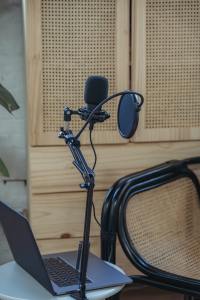

Types of Microphone Stands:
- Tripod Stands: Known for their stability and adjustable height, tripod stands are versatile and widely used in both studio and live environments.
- Boom Stands: Featuring an extendable arm, boom stands allow for greater flexibility in microphone positioning, making them ideal for capturing sound from various angles.
- Desktop Stands: These are used for proximity miking and are suitable for podcasting or vocal recording where the microphone needs to be positioned on a desk or table.


2. Cables and Connectors
High-quality cables and connectors are crucial for ensuring the integrity of the audio signal. They come in various types and configurations to accommodate different connections and signal paths.
Types of Cables:
- XLR Cables: Commonly used for professional microphones and balanced audio signals. They are known for their durability and noise rejection.
- TRS Cables: These are used for balanced audio connections and are often found in studio environments for connecting instruments and audio equipment.
- TS Cables: Typically used for unbalanced audio signals and are often found in less critical applications.
Connectors:
- XLR Connectors: Used primarily for microphones and professional audio equipment. They provide a secure connection and are designed to reduce noise.
- 1/4” (6.35mm) Connectors: Commonly used in both TRS and TS configurations for various audio applications.
- RCA Connectors: Often used for consumer audio devices and for connecting audio equipment that requires unbalanced connections.
3. Audio Interfaces
Audio interfaces act as a bridge between audio mixers and computers, converting analog signals into digital data that can be processed by audio software.
Key Features:
- Analog-to-Digital Conversion: High-quality interfaces offer superior conversion rates, minimizing latency and preserving audio fidelity.
- Pre-Amplification: Built-in preamps enhance the signal flow from microphones and instruments, allowing for better sound quality and control.
- Connectivity Options: Includes USB, Thunderbolt, and FireWire interfaces, each offering different speeds and capabilities.

4. Equalizers and Signal Processors
External equalizers and signal processors can be integrated with audio mixers to provide additional control over sound frequencies and effects.
Types:
- Graphic Equalizers: Offer a visual representation of frequency adjustments and are used to shape the sound by boosting or cutting specific frequency bands.
- Parametric Equalizers: Provide more precise control over frequency, bandwidth, and gain, allowing for detailed sound shaping.
- Compressor/Limiters: Control the dynamic range of audio signals, preventing distortion by limiting the amplitude of peaks.
5. Headphones and Monitors
High-quality headphones and studio monitors are essential for accurate audio monitoring and mixing.

Headphones:
- Closed-Back Headphones: Provide isolation from external noise, making them ideal for recording and monitoring.
- Open-Back Headphones: Offer a more natural sound but with less isolation, suitable for mixing and critical listening.
Studio Monitors:
- Nearfield Monitors: Designed to be placed close to the listener, providing accurate sound reproduction for mixing in smaller spaces.
- Midfield Monitors: Used in larger studios, offering a broader sound field and greater accuracy at a greater distance.

Key Considerations for Audio Mixer Accessories
A. Microphone Stands
| Type | Description | Best For |
| Tripod Stand | Stable with adjustable height | General use in studio or live sound |
| Boom Stand | Extendable arm for flexible positioning | Recording with varying microphone angles |
| Desktop Stand | Small, stable stand for close-miking | Podcasting, vocal recording |
B. Cables and Connectors
| Type | Purpose | Common Use |
| XLR Cables | Balanced audio signals, noise rejection | Professional microphones, audio equipment |
| TRS Cables | Balanced audio signals, used in studio | Instruments, audio interfaces |
| TS Cables | Unbalanced audio signals | Consumer audio equipment, instruments |
| RCA Connectors | Unbalanced audio signals | Consumer audio devices, simple connections |
Advanced Add-ons for Audio Mixers
1. Digital Signal Processors (DSPs)
DSPs enhance audio processing capabilities beyond the built-in features of audio mixers. They offer advanced effects, dynamic control, and sound shaping.
Features:
- Multi-Band Compression: Allows for dynamic control across multiple frequency bands.
- Reverb and Delay Effects: Add spatial effects to audio signals, creating a sense of space and depth.
- Modulation Effects: Includes chorus, flanger, and phaser effects for creative sound manipulation.
2. Rackmount Units
Rackmount units provide additional functionality and are designed to be integrated into a standard 19-inch equipment rack.
Common Rackmount Units:
- Equalizers: These allow for precise frequency adjustments and are often used in both live and studio environments.
- Pre-Amps: Enhance signal quality and can provide additional gain and tonal control.
- Effects Processors: Offer a range of effects and signal processing options, expanding the capabilities of audio mixers.
3. Control Surfaces
Control surfaces are used to interface with digital audio workstations (DAWs) and provide tactile control over mixing and editing functions.
Key Features:
- Motorized Faders: Allow for precise volume adjustments and automation within a digital audio workstation (DAW).
- Transport Controls: Include play, stop, record, and other functions for streamlined workflow.
- Assignability: Buttons and knobs can be customized to control various parameters within the DAW.

Advanced Add-ons for Audio Mixers
A. Digital Signal Processors (DSPs)
| Feature | Description | Application |
| Multi-Band Compression | Controls dynamics across frequency bands | Studio mixing, live sound |
| Reverb and Delay | Adds spatial effects and echoes | Creating depth in mixes |
| Modulation Effects | Includes chorus, flanger, phaser | Creative sound manipulation |
B. Rackmount Units
| Unit Type | Function | Usage |
| Equalizers | Adjusts frequency response | Studio and live sound processing |
| Pre-Amps | Enhances signal quality and gain | Studio recording, live sound amplification |
| Effects Processors | Provides various audio effects and processing | Expanding mixer capabilities |
Audio Mixer Accessories and Add-ons Summary
The effectiveness and versatility of audio mixers can be greatly enhanced with the right audio mixer accessories and add-ons. From microphone stands and cables to advanced DSPs and control surfaces, each component plays a crucial role in shaping the audio experience. By understanding and utilizing these accessories, audio professionals can achieve more precise and creative control over their sound environments. For portable systems, comparing portable audio mixers includes evaluating which accessories work best.
Whether in a live sound setting or a recording studio, investing in high-quality accessories and add-ons ensures optimal performance and a more refined audio output. Accessories that match the features for an audio mixer can significantly boost the performance of your setup.
Academic Reference On Audio Mixer Accessories and Add-ons
- [BOOK] Mix smart: Pro audio tips for your multitrack mix
- [BOOK] Introduction to Digital Audio
- Live sound and the disappearing digital
- Products of Interest
- 5 Studio Audio Equipment and Systems
- [BOOK] Podcasting for dummies
- [BOOK] Car audio for dummies
- [PDF] Practical hardware and software add–ons to enhance the security of mobile device operations
- [BOOK] PC recording studios for dummies
- Products of Interest